









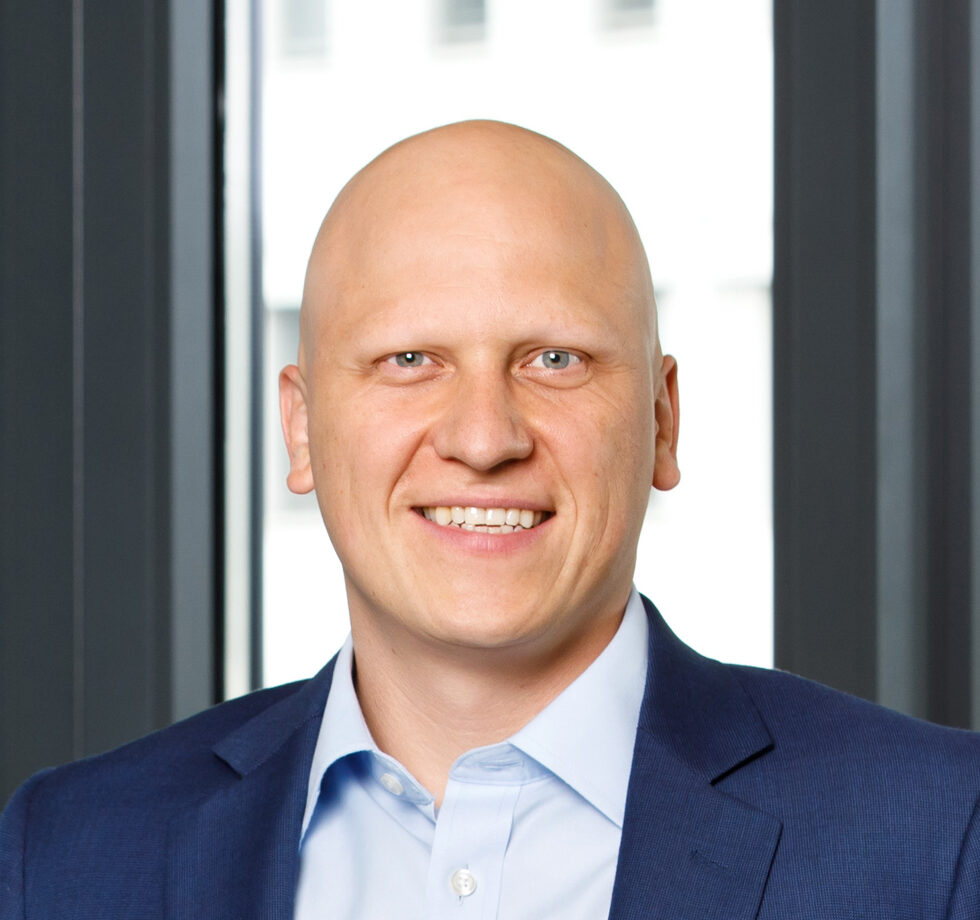

















“It was great to be presenting in the forum and be a participant. I am honored to be invited as a Speaker, and would love to continue on being panel, and as individual speaker too. My overall experience was good; it was a great arrangement. Important part I found through entire process was the prep conversations were non-intrusive, respecting my time and were not sales talk. I loved that."
CIOXGermany
Munich, Germany
Welcome to CIOXGermany, the premier event exclusively designed for accomplished CIOs across Germany. Step into the forefront of strategic technology leadership as we navigate the evolving post-pandemic landscape and unlock unparalleled opportunities for enterprise success. Join us at CIOXGermany, where visionary CIOs converge to engage in transformative discussions, gain strategic insights, and address the pressing challenges shaping the world of enterprise technology.
